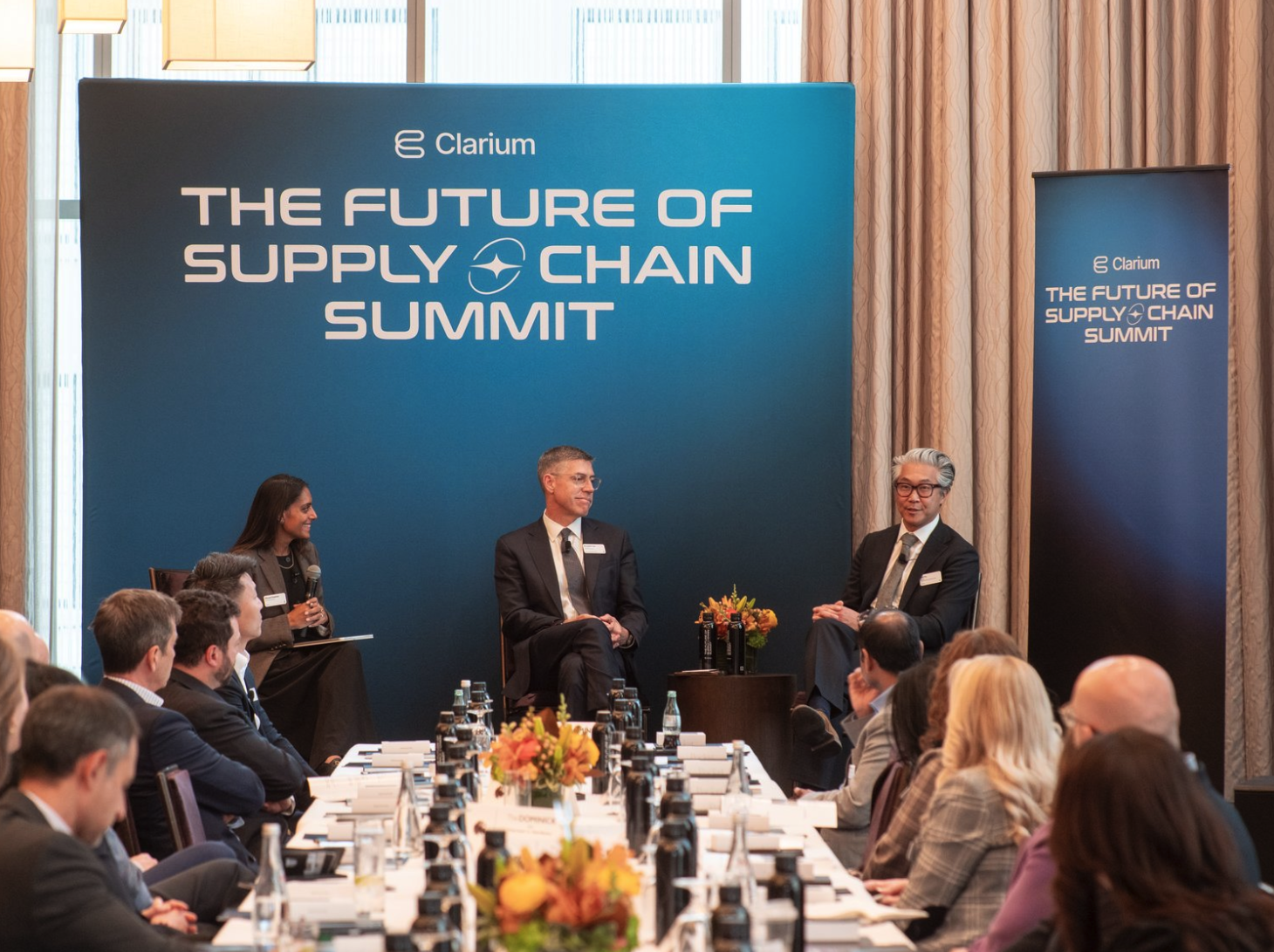
The Future of Supply Chain Summit Recap
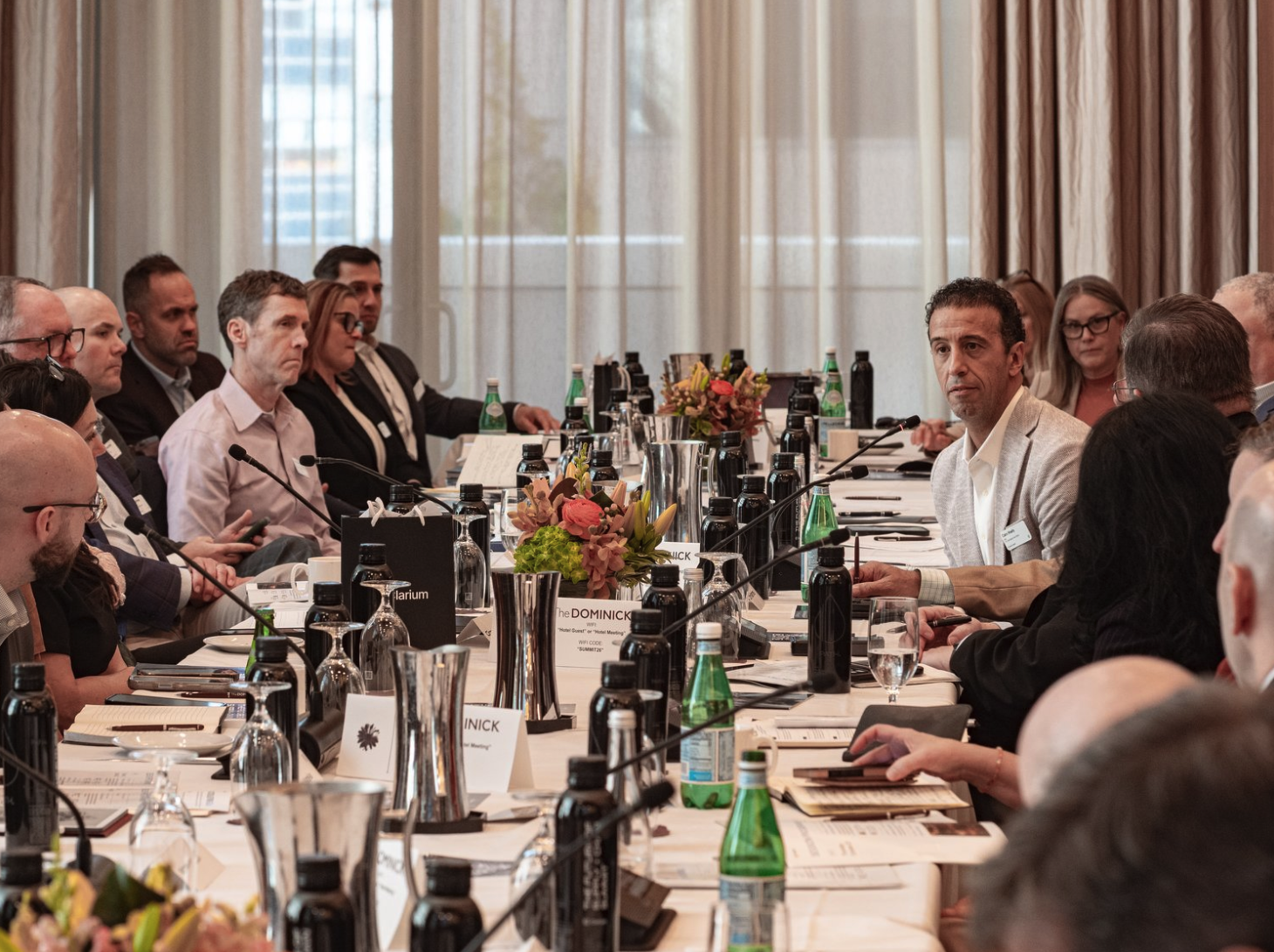
Margins are thin, policy changes are adding new strain, and the cost of supplies and disruptions keeps climbing. Cutting costs alone won’t close that gap. For three days, executives across supply chain, finance, innovation, clinical, and more came together to help reimagine hospital operations from the ground up.

Session Highlights
Welcome Remarks
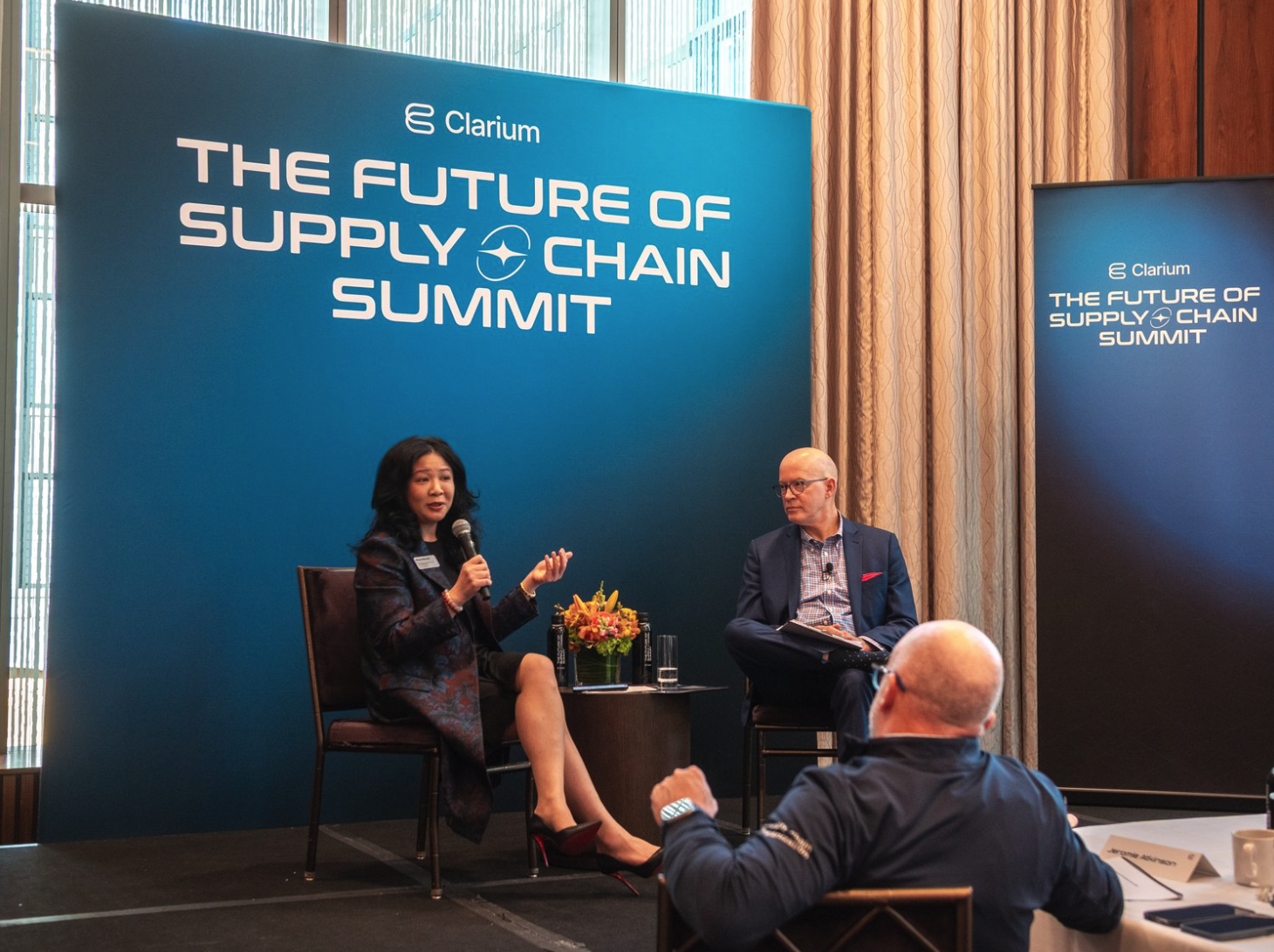
In the opening address, Clarium CEO Steve Liou challenged Future of Supply Chain attendees to look at supply chain through a more strategic lens. Margin pressure, rising supply and drug costs, workforce strain and constant disruption mean the old way of operating no longer holds. Health system leaders need to take ownership to improve supply chain-related inefficiencies and lower costs.

The Landscape Enabling AI Adoption and Innovation
A health system CEO and a federal health research leader held a wide-ranging fireside chat on how AI is reshaping healthcare and what’s still holding it back. The two longtime colleagues, who first met as medical students on an emergency medicine rotation, agreed the technology is no longer the barrier. Their conversation covered AI regulation, change management and liability.

Margin Math: How Financial Pressure Is Reshaping Innovation
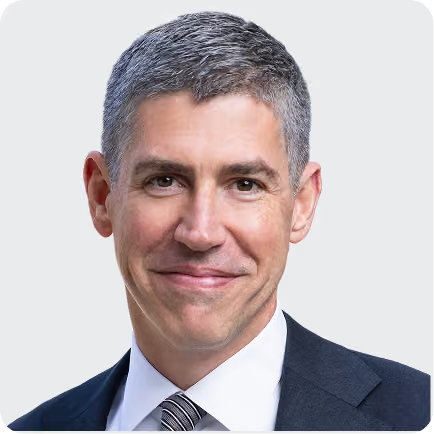
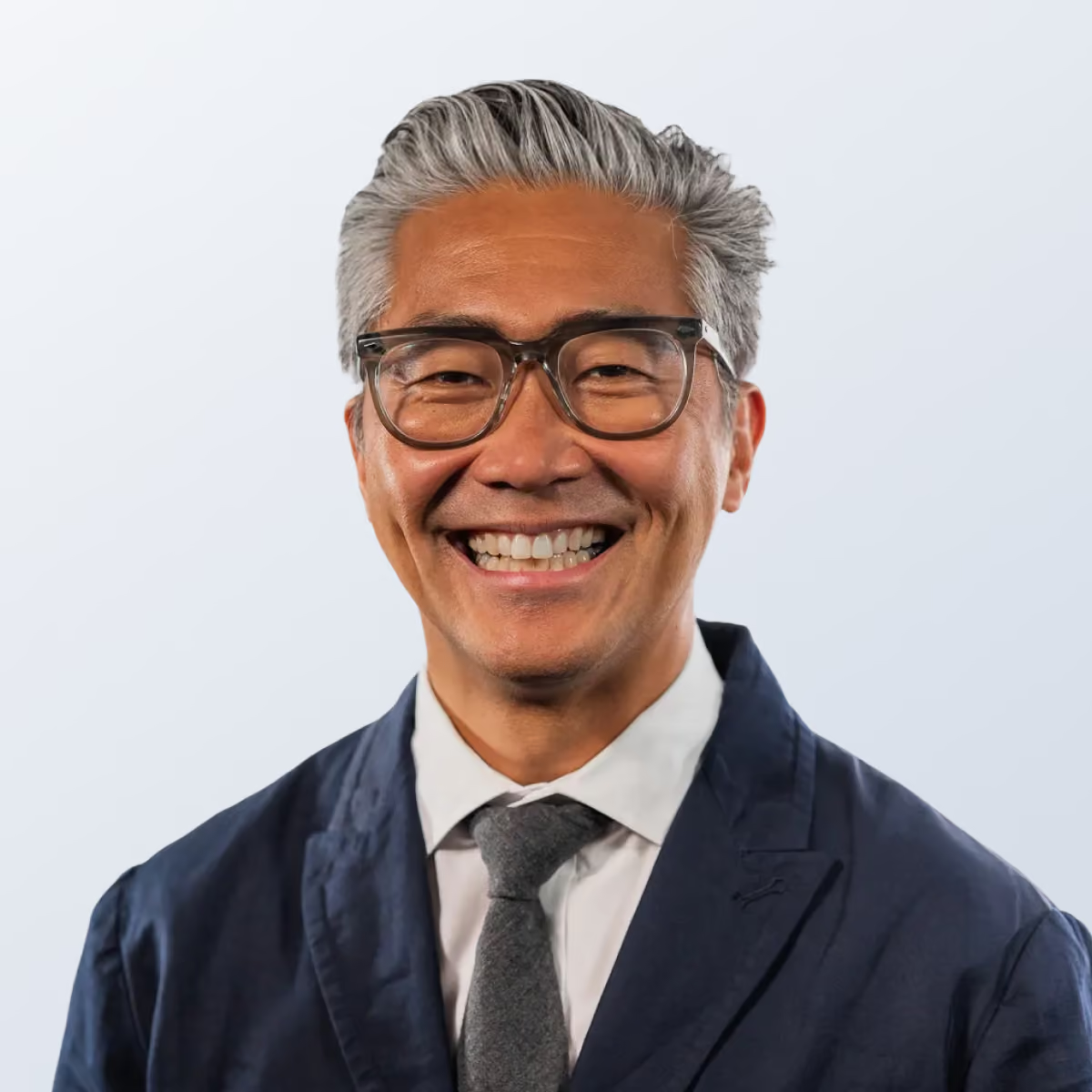
Day Two opened with a CFO panel, moderated by a former health system CFO, on how financial pressure is shaping where health systems adopt AI. Finance and supply chain leaders from four health systems stressed fixing the fundamentals first: organizational design, clean data and a clear sense of what problem a given tool is meant to solve



Boston Children's Hospital

Point Solutions, Platforms, and AI Agents
In a panel moderated by an academic health system’s chief digital and information officer, health system technology leaders discussed which AI investments are paying off and how to tell real value from hype. Both said that succeeding with AI requires rigorous governance and a hard line on vendor claims. They also challenged attendees to reimagine work rather than simply automate existing tasks.



Building the OR of the Future: Inside Mount Sinai’s Approach
With procedures getting costlier and reimbursement flat, leaders at an academic health system argued that cutting waste is essential, starting with accurate preference cards and computer vision that captures what’s used and what isn’t. They also stressed that success depends far more on change management, including showing physicians how their supply costs compare with their peers’, than on the technology itself.




"There's always a compelling reason in healthcare for why things are the way they are or why they can't change. But often what is perceived as the safest decision, which is maintaining the status quo, ends up becoming the riskiest of all. I believe we're at that strategic inflection point in healthcare right now."

"I'm also incredibly optimistic about the fact that [AI] is going to be the unlock that we've been waiting for to reduce the business of friction, which none of us think is value add in the ecosystem."
“If you start to cut into the bone, then that culture goes away and no one wants to come to your organization.”

"Supply chain is not doing a good job of reimagining the way supply chain is working…It’s got to be a reimagined set of work.”

“The same procedure could cost one person $500 in supplies and somebody else $3,000.”
AI In Action: “Lightning Rounds”
The AI in Action lightning rounds put attendees in the spotlight, with leaders from more than a dozen health systems each sharing one real AI deployment: what they built, what it delivered and what they learned. Examples ranged from supply disruption agents that cut resolution time from two weeks to as little as three days, to a voice agent handling the scheduling work of 47 FTEs, to a contracting tool that halved review turnaround despite rising volume.
The Price of Disruption: Making the Case for Resilience
A panel of supply chain leaders from three large health systems discussed what it takes to keep care running through an average of 400+ supply disruptions a month, from hurricanes and warehouse fires to cyberattacks and recalls. The challenge became clear when an audience poll found that 56% of attendees’ organizations have no documented figure for what disruptions cost them. One panelist estimated a single-day, single-SKU disruption costs a large system about $65,000 in labor alone.

AI Adoption Across the C-Suite
Led by Becker’s Healthcare Founder Scott Becker, a panel of health system leaders spanning finance, technology and the C-suite, talked about how to adopt AI with discipline. The panelists agreed that major EHR and ERP vendors provide a strong foundation, but some of the biggest returns come from tools at the edge of those platforms. Panelists stressed that with AI now widely available, success depends on leadership: champions backed by finance, strategies that break down silos, and the discipline to measure results within 30 to 60 days and kill what doesn’t work.

The State of the Healthcare Supply Chain: Fishbowl
Eric O’Daffer shared his research on the state of healthcare supply chain, drawn from a survey of 62 supply chain leaders, followed by a “fishbowl” of rapid-fire interviews with four chief supply chain officers. The CSCOs described an expanding mandate. At their organizations, it covers all non-labor spend, support services, commercial ventures and self-distribution businesses that operate like divisions of their own. Talent and expense management were recurring pressures.


Hartford HealthCare


Closing Keynote: Putting Patients at the Center
The summit closed with a fireside chat featuring Dr. Toby Cosgrove, former CEO of one of the nation’s most prominent health systems, who brought the conversation back to why everyone in the room got into healthcare: the patient. He recounted how a business school student’s question, “Do you teach empathy?”, reshaped his leadership strategy. He also urged supply chain leaders to claim their place on the care team, arguing that healthcare must treat the supply chain “as an asset as opposed to the provider of goods.”

“Supply chain is a strategic enabler as well as an operational enabler. And if you treat it like a cost center, the implications will be as such. You’ve got to invest in it. It touches every aspect of healthcare.”

“I think the challenge is that AI can easily take over certain aspects of what we are doing, but not all of it. We really want value, experience, knowledge, empathy, all the human components. But pattern recognition is truly something that the technology is already way better at than we are."

“We’re looking for people who have technology fluency and deep analytics and AI backgrounds that can understand how to drive transformation and change management. Those are skill sets that are really difficult to find in the industry.”

“Supply chain has come to the fore because of COVID and because of the cost pressures. Now you’re being appreciated as a more important part of the care team.”

Plus good food and great company!